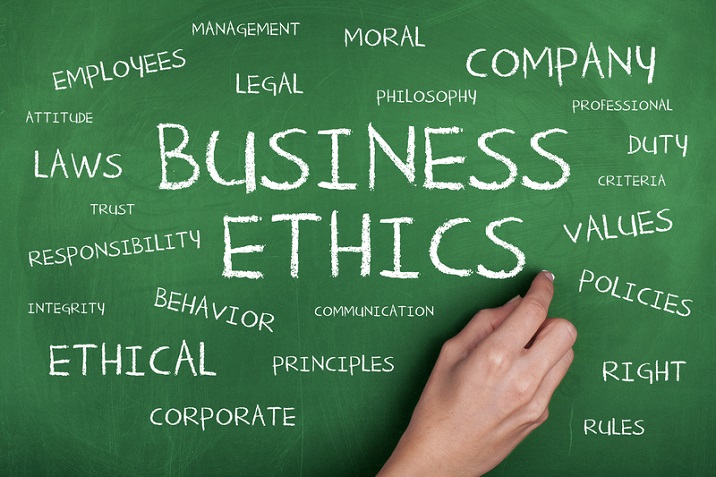
What Is Business Ethics and Why It Matters Today, the concept of what is business ethics represents a structured framework of moral principles that guide how organizations behave, make decisions, and interact with stakeholders, ensuring that every action taken reflects not only strategic intent but also a commitment to fairness, responsibility, and long term societal value in a world that is increasingly interconnected and scrutinized.

In modern business environments, ethical considerations are no longer peripheral. They are central. Organizations operate within complex ecosystems where consumers, employees, and communities expect transparency and accountability, making ethical awareness a vital component of sustainable growth and operational credibility.
The Core Principles That Shape Ethical Behavior
Ethical behavior in business is anchored in foundational principles such as honesty, integrity, fairness, and respect, which collectively create a moral compass that influences how organizations conduct their operations and manage relationships across various levels.
These principles guide decision making processes, ensuring that actions are consistent with values that promote trust and reliability, while also supporting a stable and respectful environment where stakeholders feel valued and protected.
Integrity ensures that commitments are honored. Honesty promotes clarity. Fairness creates balance. Together, these elements form a cohesive structure that supports ethical consistency and reinforces a positive organizational image.
The Role of Transparency in Building Trust
Transparency is essential in fostering trust between businesses and their stakeholders, as it involves open communication about processes, decisions, and outcomes in a way that allows others to understand the rationale behind actions and the impact they create.
When organizations operate transparently, they reduce uncertainty and build confidence, enabling stakeholders to engage more deeply and meaningfully with the brand while reinforcing a sense of credibility that strengthens long term relationships.
Transparent practices also encourage internal accountability, ensuring that teams operate with clarity and alignment, which contributes to a more cohesive and ethically grounded organizational culture.
Accountability as a Driving Force
Accountability plays a critical role in ensuring that ethical standards are upheld, requiring individuals and organizations to take responsibility for their actions and to address challenges with honesty and commitment to improvement.
This sense of responsibility creates a culture where mistakes are acknowledged and corrected, rather than concealed, fostering an environment of continuous learning and ethical progression that benefits both the organization and its stakeholders.
Accountability also strengthens trust, as it demonstrates a willingness to uphold principles even in difficult situations, reinforcing the integrity of the business.
Ethical Leadership and Cultural Influence
Leadership is a defining factor in shaping the ethical direction of an organization, as the values demonstrated by leaders influence how employees interpret and apply ethical principles in their daily activities.
Leaders who prioritize ethical behavior create a culture of integrity, where employees feel empowered to act responsibly and align their decisions with the broader values of the organization, resulting in a consistent and cohesive ethical framework.
This cultural influence extends beyond internal operations, affecting how the organization is perceived externally and how it interacts with the wider community.
Balancing Profit with Social Responsibility
Businesses are often driven by the pursuit of profit, yet ethical considerations require a balanced approach that takes into account the impact of decisions on society, the environment, and future generations, ensuring that growth does not come at the expense of responsibility.
This balance encourages sustainable practices, where financial success is achieved alongside positive contributions to the community and the preservation of resources, creating a model that supports long term viability and relevance.
Organizations that successfully integrate profit and responsibility demonstrate a deeper understanding of their role within a broader context, enhancing their credibility and influence.
The Impact of Ethics on Reputation and Brand Value
Ethical behavior significantly influences how a brand is perceived, as consumers increasingly evaluate organizations based on their values and actions, seeking alignment with brands that demonstrate responsibility and authenticity.
A strong ethical foundation enhances brand reputation, creating a positive image that fosters loyalty and encourages long term engagement, while also differentiating the organization in a competitive market.
Reputation is built over time but can be affected quickly, making ethical consistency essential for maintaining trust and credibility across all interactions.
Navigating Ethical Challenges in a Global Landscape
Global business operations introduce complex ethical challenges, as organizations must navigate diverse cultural norms, regulatory frameworks, and societal expectations while maintaining a consistent set of principles that guide their actions.
This complexity requires adaptability and awareness, ensuring that ethical standards are applied thoughtfully and respectfully across different contexts without compromising core values.
By maintaining clarity and consistency, organizations can navigate these challenges effectively, reinforcing their commitment to ethical conduct on a global scale.
The Relationship Between Ethics and Innovation
Ethics and innovation are interconnected, as responsible practices encourage the development of solutions that address real world challenges while minimizing negative impact, fostering creativity that aligns with societal needs and expectations.
Innovative efforts guided by ethical considerations result in products and services that are not only effective but also meaningful, contributing to a positive and sustainable future.
This alignment ensures that innovation supports progress without undermining trust or integrity, creating a balanced approach to advancement.
Long Term Sustainability Through Ethical Practices
The significance of what is business ethics lies in its ability to create a stable foundation for long term success, where integrity, accountability, and responsible decision making guide every aspect of organizational behavior, ensuring that growth is sustainable, relationships are strong, and the overall impact of business activities remains positive and enduring in an ever evolving global environment.