Introduction & Background
In today’s fast-paced and interconnected business world, trust is not just a soft value, it is a hard currency. Customers, investors, and employees alike seek reliability and transparency in every transaction and interaction. At the heart of this trust lies integrity, a principle that goes beyond mere compliance with laws, evolving into a cornerstone of long-term success. Businesses that prioritize ethical behavior often find themselves rewarded with stronger relationships, enhanced reputation, and sustainable growth. This article explores how integrity shapes modern business practices and why it remains indispensable in building trust and achieving success.
Concept & Overview
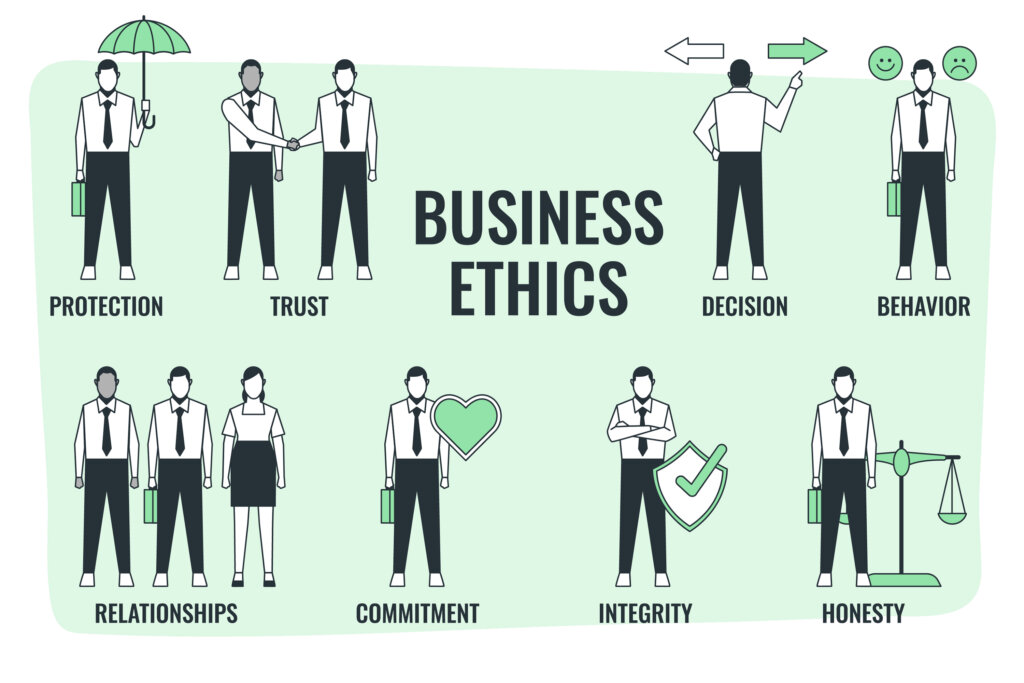
Integrity in business refers to the alignment of actions with values, where honesty, fairness, and consistency define every decision. It is not merely about avoiding wrongdoing, but about actively doing what is right, even when no one is watching. Ethical business practices encompass transparency in operations, accountability for outcomes, and respect for all stakeholders. When a company upholds integrity, it fosters a culture where trust flourishes naturally, leading to deeper customer loyalty, engaged employees, and resilient partnerships. Ultimately, integrity transforms business from a transactional endeavor into a trusted institution.
Key Features & Highlights
- Consistency in Actions: Businesses with integrity maintain uniform standards across all operations, ensuring that promises made are promises kept.
- Transparency and Openness: Ethical companies share information openly, reducing uncertainty and building credibility with stakeholders.
- Accountability for Mistakes: Acknowledging errors and taking corrective action demonstrates responsibility and strengthens trust over time.
- Respect for All Stakeholders: Prioritizing the needs and rights of customers, employees, and communities fosters goodwill and long-term support.
- Alignment with Core Values: When integrity is embedded in a company’s mission, every decision reflects its ethical foundation, creating authenticity.
Frequently Asked Questions / Pros & Cons
What exactly does business integrity mean?
Business integrity means adhering to moral and ethical principles in all business activities. It involves being honest in communications, fair in dealings, and consistent in behavior, regardless of external pressures or short-term gains.
Is integrity more important than profit in business?
While profit is essential for sustainability, integrity ensures that profit is earned ethically and responsibly. Businesses that sacrifice integrity for short-term profits often face reputational damage and legal consequences that outweigh any financial gains.
Can small businesses afford to prioritize integrity?
Absolutely. In fact, small businesses often benefit more from integrity because they rely heavily on local trust and word-of-mouth reputation. High ethical standards can differentiate them from larger competitors and foster loyal customer bases.
What are the risks of ignoring integrity?
Ignoring integrity can lead to scandals, loss of customer trust, regulatory penalties, and reduced employee morale. Over time, it erodes brand value and can even threaten the survival of the business.
How can a company measure its integrity level?
While integrity is intangible, companies can assess it through employee feedback, customer satisfaction scores, audit reports, and stakeholder trust surveys. Regular ethical training and transparent reporting also serve as strong indicators of an integrity-driven culture.
Practical Guidance & Solutions
To build and sustain integrity within an organization, leaders must take deliberate steps. First, establish a clear code of ethics that outlines expected behaviors and values. This document should be communicated regularly and reinforced through training programs. Second, lead by example. When executives and managers demonstrate ethical behavior in their decisions, employees are more likely to follow suit. Third, create open channels for reporting concerns without fear of retaliation. Encourage whistleblowers and address issues promptly and fairly. Fourth, align incentives with ethical performance. Reward employees not only for meeting targets but also for upholding integrity in their approach. Finally, regularly review policies and practices to ensure they reflect current ethical standards and societal expectations. By embedding integrity into the corporate DNA, businesses can create a foundation for trust, growth, and enduring success.
Conclusion
Integrity is not just a moral ideal, it is a strategic advantage. In a world where consumers and investors increasingly value ethics, businesses that prioritize integrity stand out as leaders rather than followers. Trust, once earned, becomes a powerful catalyst for innovation, collaboration, and resilience. As companies navigate challenges and opportunities in the global marketplace, those grounded in ethical principles will not only survive but thrive. The power of integrity lies in its ability to transform business into a force for good, creating lasting value for all stakeholders and securing a prosperous future.