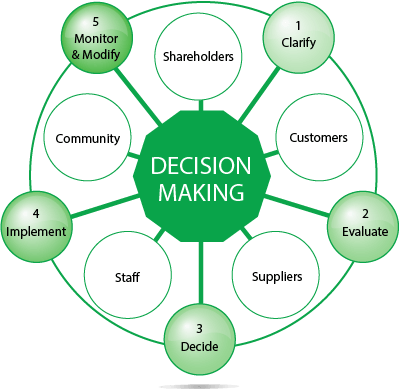
Modern business operates in a fast-paced, profit-driven environment where success is often measured by quarterly earnings and market share. Yet, beneath the surface of financial growth lies an equally important yet frequently overlooked force: the moral compass guiding decision-making. In today’s globalized economy, where supply chains span continents and consumer trust can rise or fall with a single viral post, ethical behavior is no longer optional. It is a strategic imperative. Businesses that prioritize integrity not only build stronger reputations but also foster long-term loyalty, innovation, and resilience. This article explores the evolving landscape of business ethics, why it matters more than ever, and how organizations can navigate the complex balance between profit and principle.
Introduction & Background
Over the past few decades, the corporate world has witnessed a transformation in how society views the role of business in society. Gone are the days when profit was the sole metric of success. Stakeholders, including investors, employees, customers, and communities, now demand transparency, accountability, and ethical governance. High-profile scandals, from environmental disasters to financial fraud, have underscored the devastating consequences of unchecked greed and weak moral standards. Regulatory frameworks like the Sarbanes-Oxley Act and international standards such as the UN Global Compact have emerged in response, pushing companies to adopt more responsible practices. Yet, even with these tools in place, the challenge remains: how can businesses remain competitive while upholding ethical values in an environment that often rewards short-term gains over long-term integrity?
This tension is further complicated by globalization. Multinational corporations source materials from countries with varying labor and environmental laws, creating ethical dilemmas at every step of the supply chain. Consumers, empowered by instant access to information, now hold brands accountable not just for the quality of their products but for the conditions under which they are made. This shift has given rise to movements like fair trade, corporate social responsibility (CSR), and environmental, social, and governance (ESG) investing. As a result, the moral compass of modern business is not just a philosophical concern, it is a practical tool for survival and growth.
Concept & Overview
The moral compass of modern business refers to the ethical framework that guides corporate decision-making, ensuring actions align with values such as fairness, honesty, transparency, and respect for all stakeholders. It is not a fixed set of rules but a dynamic process influenced by cultural norms, legal requirements, and evolving societal expectations. At its core, this compass emphasizes that business success should not come at the expense of human dignity, environmental sustainability, or social justice.
Key principles underpinning this concept include:
- Accountability: Taking responsibility for the consequences of business decisions, especially when they negatively impact stakeholders.
- Transparency: Openly disclosing information about operations, finances, and policies to build trust and reduce the risk of misconduct.
- Fairness: Treating all stakeholders, employees, suppliers, customers, and communities, equitably and without discrimination.
- Sustainability: Ensuring that business practices do not deplete natural resources or harm ecosystems for future generations.
- Integrity: Consistently adhering to ethical principles, even when it is not financially advantageous.
These principles are not abstract ideals but practical guides that shape policies, corporate culture, and stakeholder relationships. When a company’s mission statement aligns with its actions, it creates a strong moral foundation that resonates with customers and investors alike. Conversely, when a company prioritizes profit over ethics, it risks reputational damage, legal penalties, and loss of consumer trust, all of which can have long-term financial repercussions.
Key Features & Highlights
Understanding the moral compass in modern business involves recognizing several defining features that distinguish ethical organizations from those driven solely by financial gain:
-
Stakeholder-Centric Approach:
Ethical businesses recognize that their success depends on the well-being of all stakeholders, not just shareholders. This means investing in employee welfare, supporting local communities, and engaging with customers in honest dialogue. For example, Patagonia’s commitment to environmental activism and fair labor practices has cemented its reputation as a leader in sustainable business.
-
Ethical Leadership:
Leaders set the tone for an organization’s culture. Ethical leadership involves making decisions that balance profitability with moral considerations, even when it is challenging. Leaders who demonstrate integrity inspire their teams to act ethically as well. Consider the case of Microsoft under Satya Nadella, where a focus on empathy, inclusion, and responsible AI development became central to the company’s identity.
-
Robust Governance Structures:
Strong ethical frameworks require clear policies, regular audits, and independent oversight. Corporate governance mechanisms such as ethics committees, whistleblower protections, and board diversity help prevent unethical behavior and ensure accountability. Companies like Unilever have integrated ESG metrics into their governance models, tying executive compensation to sustainability goals.
-
Supply Chain Ethics:
Modern supply chains are complex and often span multiple countries with differing ethical standards. Businesses must conduct due diligence to ensure their suppliers adhere to labor laws, environmental regulations, and human rights principles. For instance, Apple’s Supplier Responsibility Reports detail efforts to eliminate forced labor and reduce hazardous waste in its manufacturing processes.
-
Consumer Trust & Brand Loyalty:
Ethical behavior builds consumer trust, which translates into long-term brand loyalty. Surveys consistently show that consumers prefer to support brands that align with their values, even if it means paying a premium. The rise of “purpose-driven” companies like Ben & Jerry’s, which advocates for social justice alongside its ice cream, demonstrates how ethics can be a powerful differentiator in competitive markets.
Frequently Asked Questions / Pros & Cons
What is the difference between corporate social responsibility (CSR) and a moral compass in business?
Corporate social responsibility (CSR) is a strategic approach where businesses integrate social and environmental concerns into their operations and interactions with stakeholders. While CSR often focuses on specific initiatives, such as community outreach or reducing carbon footprints, a moral compass is a broader, values-based framework guiding all decisions. CSR can be seen as one expression of a company’s moral compass, but the compass itself encompasses the company’s overall ethical stance, including integrity, fairness, and accountability in every aspect of its operations.
Can a business truly balance profitability and ethical behavior?
Absolutely. In fact, many studies suggest that ethical behavior enhances long-term profitability. Companies that prioritize ethics tend to enjoy lower turnover rates, higher employee engagement, and stronger customer loyalty. While there may be short-term financial trade-offs, ethical practices often lead to innovation, risk mitigation, and access to capital from socially responsible investors. For example, ESG-focused funds have consistently outperformed traditional funds over the past decade, proving that ethics and profitability are not mutually exclusive.
What are the biggest ethical challenges facing businesses today?
The modern business landscape presents several ethical challenges:
- Data Privacy and Security: With the rise of big data and digital transformation, companies must protect customer information while using it responsibly. Breaches not only result in legal penalties but also erode trust.
- AI and Automation: The use of artificial intelligence raises ethical questions about job displacement, algorithmic bias, and accountability for automated decisions.
- Environmental Impact: Climate change demands that businesses reduce their carbon footprint, adopt circular economy models, and prioritize sustainability in all operations.
- Global Supply Chain Ethics: Ensuring fair labor practices and environmental standards across international suppliers remains a persistent challenge due to varying regulations and enforcement.
- Shareholder vs. Stakeholder Conflicts: Balancing the demands of shareholders seeking maximum returns with the needs of employees, communities, and the planet can create internal ethical dilemmas.
How can small businesses implement an ethical framework without large resources?
Ethical behavior is not the exclusive domain of large corporations. Small businesses can adopt ethical practices through simple yet impactful steps:
- Define Core Values: Clearly articulate what your business stands for and communicate these values to employees and customers.
- Prioritize Local Sourcing: Support local suppliers and artisans to reduce environmental impact and strengthen community ties.
- Invest in Employee Well-being: Offer fair wages, safe working conditions, and opportunities for professional growth to foster a loyal and motivated workforce.
- Be Transparent: Share your business practices openly, even if they are not perfect. Customers appreciate honesty and authenticity.
- Use Technology Wisely: Leverage tools to track and improve sustainability efforts, such as carbon footprint calculators or supply chain transparency software.
What role do consumers play in encouraging ethical business practices?
Consumers are one of the most powerful forces driving ethical business behavior. Their purchasing decisions send clear signals to companies about what is valued in the market. By choosing to support businesses that prioritize ethics, through buying from fair trade brands, boycotting unethical companies, or advocating for transparency, consumers can influence corporate behavior on a large scale. Social media has amplified this power, enabling consumers to hold brands accountable in real time. For instance, campaigns that expose unethical labor practices have led to swift changes in corporate policies, proving that consumer activism can be a catalyst for positive change.
Practical Guidance & Solutions
Building and maintaining a strong moral compass in business requires intentional effort and ongoing commitment. Here are actionable steps organizations of all sizes can take to embed ethics into their DNA:
1. Conduct an Ethics Audit:
Start by evaluating your current practices. Identify areas where ethical risks are most likely to occur, such as procurement, employee treatment, or environmental impact. Use external consultants or frameworks like the ISO 26000 social responsibility standard to guide your assessment. This audit should be comprehensive, covering not just written policies but also the lived experiences of employees and stakeholders.
2. Develop a Code of Ethics:
A clear, accessible code of ethics serves as a roadmap for decision-making. It should outline the company’s values, expected behaviors, and consequences for violations. Importantly, this document should be more than a formality, it should be reinforced through training and integrated into performance evaluations. Leaders must lead by example, demonstrating commitment to the code in their daily actions.
3. Foster a Culture of Integrity:
Ethics begins with culture. Encourage open communication where employees feel safe to voice concerns without fear of retaliation. Implement whistleblower protection policies and establish channels for reporting unethical behavior. Recognize and reward employees who demonstrate ethical behavior, reinforcing the message that integrity is valued as highly as profitability.
4. Integrate Ethics into Supplier Relationships:
Ethical behavior extends beyond your company’s walls. Establish clear ethical guidelines for suppliers and conduct regular audits to ensure compliance. Consider partnering only with suppliers who share your commitment to fair labor practices, environmental responsibility, and human rights. Tools like the Supplier Ethical Data Exchange (Sedex) can help track and improve supplier performance.
5. Measure and Report Progress:
Transparency builds trust. Regularly publish sustainability reports, ESG metrics, or impact statements that detail your company’s ethical performance. Use standardized reporting frameworks like the Global Reporting Initiative (GRI) to ensure credibility. Share both successes and areas for improvement openly, demonstrating accountability to stakeholders.
6. Invest in Ethical Leadership Development:
Ethics training should not be a one-time event but an ongoing process. Offer workshops, seminars, and mentorship programs focused on ethical decision-making, bias awareness, and conflict resolution. Leaders at all levels should participate, reinforcing that ethics is a collective responsibility. Companies like Google and Salesforce have embedded ethics into their leadership development programs, recognizing that ethical leaders drive ethical organizations.
7. Engage with Stakeholders Proactively:
Ethics is not a top-down initiative, it requires dialogue with all stakeholders. Engage with employees through surveys and town halls. Consult with customers about their expectations and concerns. Collaborate with local communities on initiatives that benefit them. This two-way communication ensures that your ethical framework remains relevant and responsive to real-world needs.
Conclusion
The moral compass of modern business is no longer a philosophical debate but a practical necessity. In an era defined by instant connectivity, heightened awareness, and shared global challenges, ethical behavior is the cornerstone of sustainable success. Companies that embrace this reality do more than avoid scandals, they build trust, inspire loyalty, and create value that extends beyond financial statements.
Yet, navigating ethics in a profit-driven world is not without its challenges. It demands courage, consistency, and a willingness to prioritize long-term integrity over short-term gains. The businesses that thrive in this environment are those that recognize ethics not as a constraint but as a compass, one that points toward enduring success, meaningful impact, and a future where profit and principle coexist harmoniously.
As consumers, employees, and investors continue to demand more from the companies they support, the moral compass will only grow in significance. The question is no longer whether businesses should act ethically, but how they will define their ethical legacy in a world that is watching closely. The answer lies not in grand gestures, but in the daily choices that shape a more just, sustainable, and compassionate global economy.