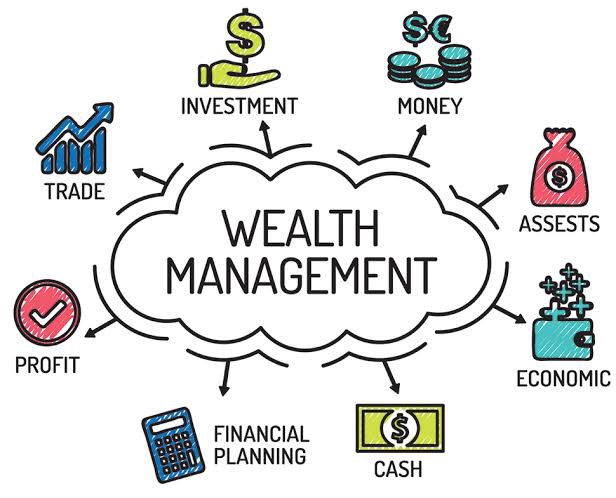
Tax Efficient Wealth Management Strategies That Save Money, The principle of tax efficient wealth management revolves around preserving financial resources by minimizing unnecessary tax burdens while maintaining full compliance with regulations. It is a strategic approach that blends financial planning with careful timing and allocation of assets. Rather than focusing solely on earning returns, this method emphasizes retaining a greater portion of those returns. By integrating tax awareness into every financial decision, individuals can create a more robust and enduring pathway toward financial growth.

Understanding the Impact of Taxation
Taxes influence nearly every aspect of financial activity. From investment gains to income streams, each component carries potential implications that can affect overall wealth. A clear understanding of these effects allows individuals to make informed decisions that reduce liabilities. This awareness forms the foundation for building strategies that prioritize both growth and preservation.
Structuring Investments for Efficiency
The way investments are structured can significantly influence tax outcomes. Allocating assets across different categories and accounts allows for more efficient management of taxable events. Certain investment types may offer advantages that help reduce immediate tax exposure, while others are designed for long term growth. Thoughtful structuring ensures that financial resources are positioned to perform effectively over time.
Timing Financial Decisions Carefully
Timing plays a crucial role in optimizing tax efficiency. Decisions regarding when to buy, sell, or transfer assets can have a substantial impact on tax obligations. By planning these actions strategically, individuals can minimize liabilities and enhance overall returns. This careful approach requires foresight and a disciplined mindset.
Managing Income Streams Wisely
Income management is another essential aspect of financial planning. Different types of income may be taxed at varying rates, making it important to structure earnings thoughtfully. By balancing sources of income and considering their tax implications, individuals can create a more efficient financial system. This balance contributes to long term stability and growth.
Leveraging Long Term Investment Benefits
Long term investments often provide advantages that support tax efficiency. Holding assets over extended periods can reduce the frequency of taxable events and may offer more favorable treatment. This approach encourages patience and consistency, allowing financial resources to grow steadily while minimizing unnecessary deductions.
Integrating Tax Planning with Overall Strategy
Tax considerations should not exist in isolation. They must be integrated into the broader financial strategy to ensure coherence and effectiveness. By aligning tax planning with investment goals, individuals can create a unified approach that maximizes efficiency. This integration enhances the overall strength of financial management.
Adapting to Regulatory Changes
Tax regulations are subject to change, requiring continuous awareness and adaptability. Staying informed about updates ensures that strategies remain compliant and effective. Adjusting financial plans in response to these changes helps maintain efficiency and protects against potential challenges.
Enhancing Financial Discipline
A disciplined approach is essential for maintaining tax efficiency. Consistent evaluation of financial decisions and adherence to structured plans reduce the likelihood of unnecessary liabilities. This discipline supports long term success and reinforces confidence in financial strategies.
Strengthening Financial Outcomes Through Efficiency
Efficient management of taxes contributes directly to improved financial outcomes. By retaining more of earned income and investment returns, individuals can accelerate wealth accumulation. This enhanced efficiency creates a stronger foundation for achieving long term financial goals.
The lasting value of tax efficient wealth management lies in its ability to combine strategic planning with careful execution, ensuring that financial resources are preserved and optimized for sustained growth.