Introduction & Background
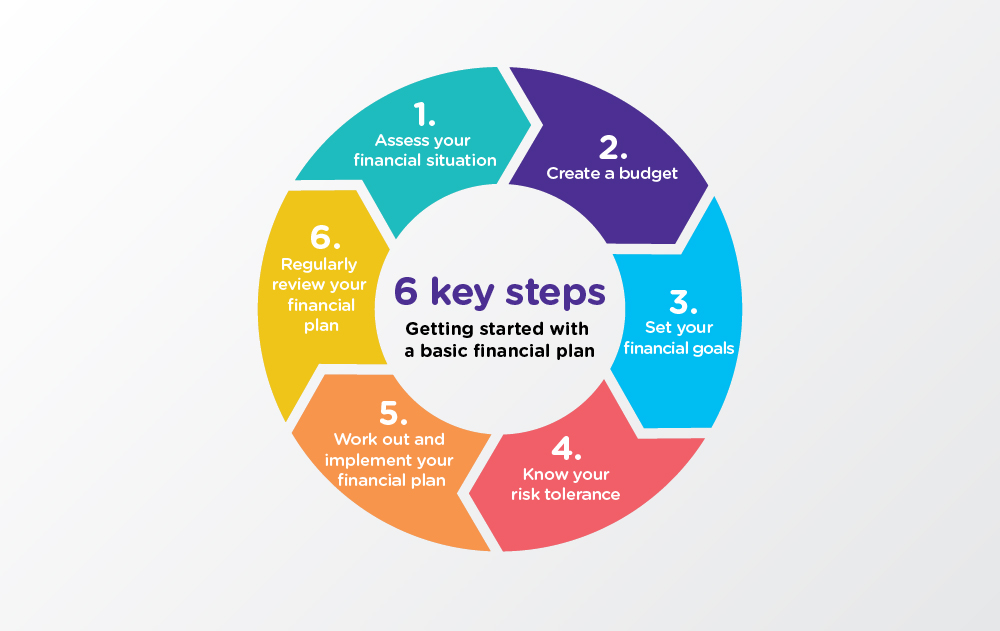
Money shapes daily decisions, from the groceries we buy to the dreams we chase. Yet, for many, managing money feels like navigating a maze without a map. Smart spending and saving are not just skills, they are habits that empower people to take control of their finances and build a secure future. In a world full of temptations and financial pitfalls, understanding how to allocate resources wisely can mean the difference between living paycheck to paycheck and achieving financial freedom. This guide is designed to help readers transform their relationship with money by offering practical steps and mindset shifts that lead to smarter financial choices.
Concept & Overview
Mastering your money starts with clarity and intention. At its core, smart spending means aligning purchases with your values and long-term goals, rather than reacting to momentary impulses. Saving, on the other hand, is about setting aside resources today to build security and opportunity tomorrow. Together, these two practices form a balanced approach to personal finance that prioritizes both enjoyment and responsibility. The key lies in recognizing that money is a tool, not a master, and using it intentionally to create a life you truly want.
Financial health is not about how much you earn, but how well you manage what you have. By developing a clear understanding of your income, expenses, and financial goals, you can make informed decisions that support your wellbeing. This process often begins with tracking spending, identifying unnecessary costs, and redirecting those funds toward savings or investments. Over time, these small adjustments compound into significant financial progress.
Key Features & Highlights
- Budgeting with Purpose: Create a spending plan that reflects your priorities, not just your habits. Use categories to separate needs from wants and allocate funds accordingly.
- Automated Savings: Set up automatic transfers to savings or investment accounts. This ensures consistent saving without relying on willpower alone.
- Mindful Spending: Pause before purchasing non-essentials. Ask whether the item adds real value to your life or just temporary satisfaction.
- Emergency Funds: Build a safety net of three to six months’ worth of living expenses. This protects against unexpected events like medical bills or job loss.
- Debt Awareness: Prioritize paying off high-interest debt, such as credit cards, while making minimum payments on lower-interest loans. Avoid accumulating new debt when possible.
- Goal-Oriented Planning: Define short-term and long-term financial goals, such as a vacation or retirement, and create a timeline with milestones to track progress.
- Regular Reviews: Schedule monthly or quarterly check-ins to assess your budget, adjust spending, and celebrate savings milestones.
Frequently Asked Questions / Pros & Cons
What is the first step to getting control of my spending?
Start by tracking every expense for at least one month. Use a notebook, spreadsheet, or app to record purchases, no matter how small. This reveals patterns and highlights areas where you may be overspending. Once you have this data, categorize expenses into needs and wants, and identify at least three areas where you can cut back without sacrificing happiness.
Is it better to save or pay off debt first?
This depends on the interest rates. If your debt carries a high interest rate, such as credit card debt, prioritize paying it off before aggressively saving. However, if your debt is low-interest, like a student loan, it may be wise to balance saving for emergencies while making minimum payments. The goal is to avoid high-interest debt while building financial resilience.
How much should I save each month?
A common rule is to save at least 20% of your income, but this is a flexible target. If that feels overwhelming, start with 5% and gradually increase. Even small amounts add up over time, especially when combined with compound growth in investments. The most important thing is consistency, not perfection.
What are the biggest mistakes people make with money?
One major mistake is living beyond their means, using credit to fund lifestyles they cannot afford. Another is not having an emergency fund, which forces people to rely on debt during unexpected crises. Procrastination is also costly, as delaying savings or investments reduces the power of compound interest. Finally, ignoring financial education keeps people stuck in cycles of poor decisions.
Can I still enjoy life while saving money?
Absolutely. Smart spending doesn’t mean deprivation, it means intentional enjoyment. You can still treat yourself, but do so within your budget. For example, instead of dining out daily, plan special meals at home. Look for free or low-cost entertainment. The key is to find balance between present happiness and future security.
Practical Guidance & Solutions
Start by setting up a simple budget using the 50/30/20 rule as a starting point: allocate 50% of income to needs, 30% to wants, and 20% to savings and debt repayment. If this doesn’t work for your situation, adjust the percentages. The goal is sustainability, not rigid adherence.
Automate your finances to remove decision fatigue. Set up direct deposits so a portion of your paycheck goes straight into savings or investment accounts. Automate bill payments to avoid late fees, and use apps to round up purchases to the nearest dollar and save the difference.
When faced with a spending temptation, implement a 24-hour waiting period. Delay the purchase and revisit it the next day. Often, the urge fades, and you realize the item wasn’t truly necessary. This pause creates space between impulse and action.
For long-term goals, open a dedicated high-yield savings account or a tax-advantaged retirement account. Contribute regularly, even in small amounts, and increase contributions whenever you receive a raise or bonus. Over time, this disciplined approach can grow into substantial wealth.
Conclusion
Mastering your money is not about restriction, it is about liberation. By adopting mindful spending, consistent saving, and strategic planning, you gain control over your financial future. Each small decision adds up, shaping a life of stability, opportunity, and peace of mind. Remember, financial freedom is not a destination, it is a journey built on daily habits and intentional choices. Start today, stay consistent, and watch your money work for you.