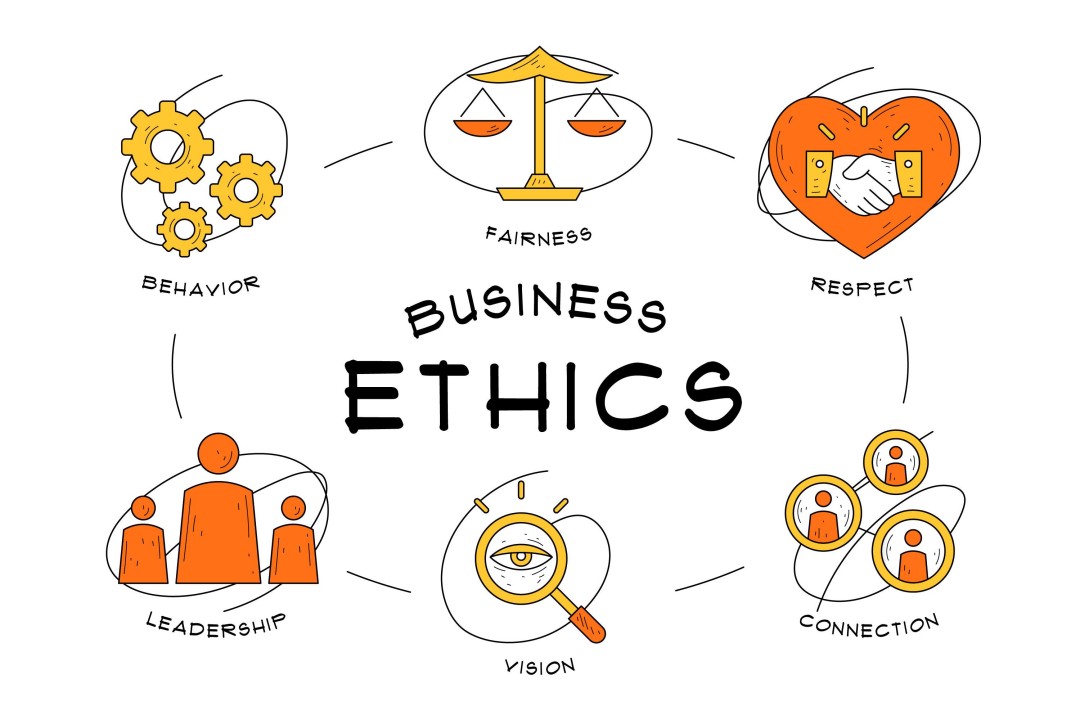
Business Ethics Case Studies That Teach Real Lessons, the concept of business ethics case studies provides valuable insight into how organizations navigate complex challenges, revealing the practical consequences of decisions while illustrating the importance of integrity, accountability, and thoughtful leadership in shaping long term outcomes.

Real world scenarios offer more than theoretical understanding. They present nuanced situations where competing interests, pressure, and uncertainty converge, requiring leaders and professionals to make choices that define both immediate results and enduring reputation.
The Value of Examining Ethical Scenarios
Studying ethical scenarios allows professionals to observe how decisions unfold over time, highlighting the interplay between intention, action, and consequence in a business context that demands both precision and responsibility.
These scenarios reveal patterns. They uncover hidden risks. They demonstrate how seemingly minor decisions can escalate into significant challenges when ethical considerations are overlooked or misunderstood.
By examining these situations, organizations can develop a deeper awareness of the factors that influence behavior, enabling more informed and principled decision making across various levels of operation.
Lessons from Leadership Decisions
Leadership decisions often serve as the focal point in ethical case studies, illustrating how authority and responsibility intersect in moments that require clarity, courage, and moral judgment.
In many instances, leaders face dilemmas where financial objectives conflict with ethical obligations, creating tension that tests their commitment to integrity and long term vision.
These cases highlight the importance of consistency. They emphasize the role of values. They demonstrate how leadership behavior sets a precedent that influences the entire organization.
The Consequences of Ethical Oversight
Case studies frequently reveal the consequences of ethical oversight, where a lack of attention to principles leads to outcomes that affect not only the organization but also its stakeholders and broader community.
Such consequences may include reputational damage, operational disruption, and loss of trust, all of which underscore the importance of proactive ethical awareness in preventing issues before they escalate.
These outcomes serve as reminders. They encourage vigilance. They reinforce the need for deliberate and informed decision making.
Organizational Culture and Ethical Behavior
Culture plays a significant role in shaping ethical behavior, as it influences how individuals interpret and apply principles in their daily work and interactions.
Case studies often illustrate how strong cultures support ethical consistency, while weaker cultures may allow deviations to occur without adequate response or correction.
This dynamic highlights the importance of fostering an environment where ethical standards are clearly defined and consistently reinforced through both policy and practice.
Transparency and Communication in Ethical Contexts
Transparency is a recurring theme in ethical case studies, as open communication can either mitigate challenges or exacerbate them depending on how it is handled within an organization.
When information is shared honestly and promptly, it builds trust and allows stakeholders to understand the context of decisions, even in difficult situations.
Conversely, a lack of transparency can lead to confusion and skepticism, amplifying the impact of ethical issues and making recovery more complex and prolonged.
Accountability and Corrective Action
Accountability is essential in addressing ethical challenges, as it ensures that individuals and organizations take responsibility for their actions while implementing measures to prevent recurrence.
Case studies often demonstrate how effective corrective action can restore confidence and reinforce a commitment to ethical standards, even after significant challenges have occurred.
This process requires honesty. It demands consistency. It reflects a willingness to learn and improve.
Ethical Decision Making Under Pressure
Many case studies highlight the role of pressure in shaping decisions, showing how time constraints, financial expectations, and competitive environments can influence behavior in ways that test ethical boundaries.
Understanding these pressures allows organizations to develop strategies that support principled decision making, ensuring that values are upheld even in challenging circumstances.
This awareness promotes resilience. It enhances preparedness. It strengthens the ability to navigate complexity with integrity.
The Role of Policies and Governance
Policies and governance structures provide the framework within which ethical behavior is guided and enforced, ensuring that expectations are clear and that mechanisms exist to address potential issues effectively.
Case studies often reveal the importance of strong governance, demonstrating how clear guidelines and consistent enforcement contribute to ethical alignment and organizational stability.
Effective governance creates structure. It supports accountability. It ensures that ethical standards are upheld consistently.
Building Insight Through Reflection
Reflection is a key component of learning from ethical case studies, allowing individuals and organizations to analyze outcomes and identify opportunities for improvement in both behavior and decision making processes.
This reflective approach encourages continuous development, ensuring that lessons learned are integrated into future practices and contribute to a stronger ethical foundation.
Insight develops over time. It requires analysis. It supports growth and adaptation in an evolving business landscape.
The Enduring Relevance of Ethical Lessons
The significance of business ethics case studies lies in their ability to transform real experiences into meaningful lessons, offering guidance that helps organizations and professionals navigate challenges with clarity, strengthen their commitment to integrity, and build a foundation for responsible and sustainable success in a complex and ever changing environment.