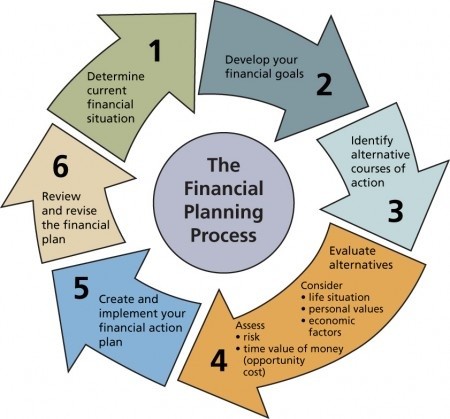
Personal Financial Planning Guide for a Secure Future the concept of personal financial planning represents a structured approach to managing money with intention and foresight. It is not merely about saving or tracking expenses. It is a deliberate system that aligns income, spending, saving, and investing with long term life goals. Without this structure, financial decisions often become fragmented and reactive, leading to instability over time.

A secure future is not created by chance. It is constructed through consistent and informed choices. Short decisions matter. So do long term strategies that shape financial resilience. Planning introduces coherence into this process, ensuring that every financial action contributes to a broader objective of stability and growth.
Understanding Income Flow and Allocation
Income serves as the starting point of any financial structure. Understanding how money enters and exits a system is essential for maintaining control. Without awareness of income flow, it becomes difficult to build sustainable financial habits.
Allocation is where planning begins to show its value. Resources must be distributed in a way that reflects priorities. Essential needs are addressed first, followed by savings and discretionary spending. This hierarchy creates balance and prevents financial strain.
Such organization transforms income from a temporary resource into a strategic tool. It ensures that earnings are not merely consumed but directed toward meaningful outcomes.
Developing Disciplined Spending Habits
Spending behavior plays a decisive role in financial outcomes. Even high income levels can be undermined by uncontrolled expenditure. Planning introduces discipline by encouraging awareness of spending patterns and their long term impact.
Control does not imply restriction. It involves intentional decision making. By distinguishing between necessity and excess, individuals can optimize their financial behavior without compromising quality of life. This awareness reduces waste and enhances efficiency.
Over time, disciplined spending becomes habitual. It shifts financial behavior from impulsive reactions to structured decisions, reinforcing stability and predictability.
The Importance of Saving and Security
Saving is a fundamental pillar of financial security. It provides protection against unexpected events and creates a buffer for emergencies. Without savings, even minor disruptions can lead to significant financial stress.
Planning ensures that saving is consistent and purposeful. It integrates saving into regular financial behavior rather than treating it as an occasional activity. This consistency builds resilience over time.
Security is not only financial. It is also psychological. Knowing that resources are available for unforeseen circumstances reduces anxiety and increases confidence in decision making.
Investment as a Pathway to Growth
While saving ensures stability, investment focuses on expansion. It allows resources to grow over time, creating opportunities for long term wealth accumulation. A balanced financial strategy incorporates both elements.
Investment requires careful consideration. Risk and return must be evaluated in relation to individual goals and tolerance. Planning provides the framework for making these assessments, ensuring that decisions are aligned with long term objectives.
Growth through investment is gradual. It relies on patience and consistency. Over time, disciplined investment strategies can significantly enhance financial outcomes.
Adapting to Life Transitions
Life is dynamic, and financial strategies must evolve accordingly. Changes in career, family structure, or economic conditions require adjustments to existing plans. Flexibility is therefore a crucial aspect of effective financial management.
Adaptation does not mean abandoning structure. It involves refining strategies to reflect new realities while maintaining overall direction. This ensures continuity even during periods of change.
Regular review supports this adaptability. It allows individuals to reassess priorities and adjust allocations in response to shifting circumstances.
Building Long Term Confidence and Clarity
A well structured financial approach provides clarity. It reduces uncertainty by offering a clear understanding of how resources are managed and how goals are achieved. This clarity directly influences confidence in financial decision making.
Confidence grows when individuals understand their financial position. It enables them to make decisions with assurance rather than hesitation. This psychological stability is as important as numerical balance.
The enduring value of personal financial planning lies in its ability to transform complexity into structure. It provides a clear pathway toward financial security, ensuring that present actions contribute meaningfully to a stable and secure future.