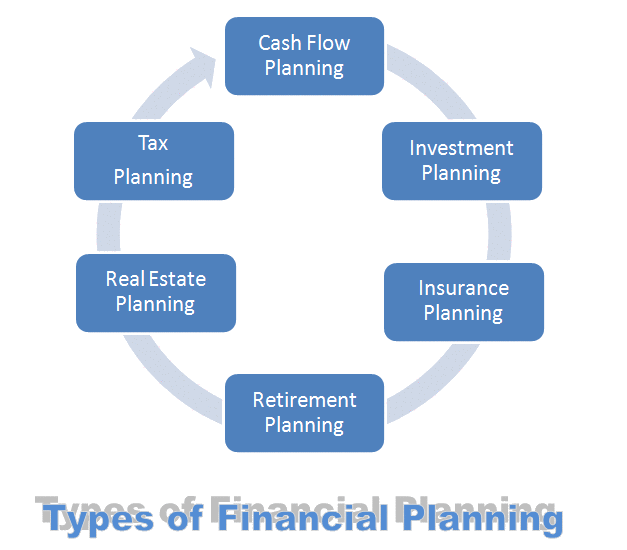
Financial Planning Meaning Explained in Simple Terms the phrase financial planning meaning refers to a structured way of organizing money decisions so that present needs and future goals remain aligned. It is not an abstract theory. It is a practical method that connects everyday spending with long term outcomes. People often assume it is only about saving, yet it goes further. It involves evaluating income, controlling expenses, and directing resources toward clearly defined objectives.

Clarity matters. Without it, financial choices become reactive rather than intentional. A simple understanding creates a foundation for stability, allowing individuals to see how small decisions accumulate over time.
Connecting Goals with Actions
Financial planning translates aspirations into actionable steps. Goals may vary, but the process remains consistent. Each objective is broken down into manageable components, making it easier to track progress and adjust when necessary.
This connection between goals and actions is essential. It prevents vague intentions from remaining unrealized. Instead, it creates a pathway where each decision contributes to a measurable outcome. Even modest changes in behavior can generate significant results when applied consistently.
Such alignment also enhances motivation. When progress is visible, commitment strengthens, reinforcing positive financial habits.
Managing Income with Precision
Income is the starting point of any financial strategy. Understanding its flow allows for more effective allocation. Without this awareness, resources may be used inefficiently, limiting the ability to achieve long term goals.
Planning introduces precision. It ensures that income is distributed in a way that reflects priorities. Essential expenses are addressed first, followed by savings and discretionary spending. This order creates balance, preventing unnecessary strain on financial resources.
Consistency is key. Regular evaluation of income patterns helps maintain control, allowing adjustments when circumstances change.
Controlling Spending Behavior
Spending habits often determine financial outcomes more than income levels. Even substantial earnings can be undermined by unchecked expenses. Planning addresses this challenge by introducing structure and awareness.
Control does not imply restriction. It involves making informed choices that align with broader objectives. By identifying patterns and eliminating inefficiencies, individuals can optimize their financial behavior without sacrificing quality of life.
This approach fosters discipline. It transforms spending from an impulsive activity into a deliberate process, enhancing overall financial stability.
The Role of Saving and Growth
Saving provides security, while growth strategies such as investment enhance long term potential. Both are integral to a comprehensive financial plan. The balance between them depends on individual circumstances and risk tolerance.
Planning ensures that this balance is maintained. It allocates resources in a way that supports immediate needs while preparing for future opportunities. This dual focus creates resilience, enabling individuals to navigate uncertainty with confidence.
Growth is gradual. It requires patience and consistency. Over time, disciplined saving and strategic allocation can produce meaningful results.
Adapting to Changing Circumstances
Life is dynamic. Financial strategies must adapt accordingly. Changes in income, responsibilities, or economic conditions require adjustments to existing plans. Flexibility is therefore an essential component of effective planning.
Adaptation does not mean abandoning structure. It involves refining strategies to reflect new realities while maintaining overall direction. This approach ensures continuity, allowing individuals to remain aligned with their goals despite external changes.
Regular review supports this process. It provides an opportunity to reassess priorities and make necessary modifications.
Building Confidence Through Structure
A well defined financial plan provides clarity and confidence. It reduces uncertainty by offering a clear understanding of how resources are managed and how goals can be achieved. This clarity influences decision making, enabling individuals to act with purpose rather than hesitation.
Confidence extends beyond immediate decisions. It shapes long term outlook, making future objectives feel attainable. This psychological benefit is often overlooked, yet it plays a significant role in sustaining commitment to financial strategies.
The continued relevance of financial planning meaning lies in its ability to simplify complexity. It transforms abstract financial concepts into practical actions, allowing individuals to navigate their financial journey with greater assurance and control.